
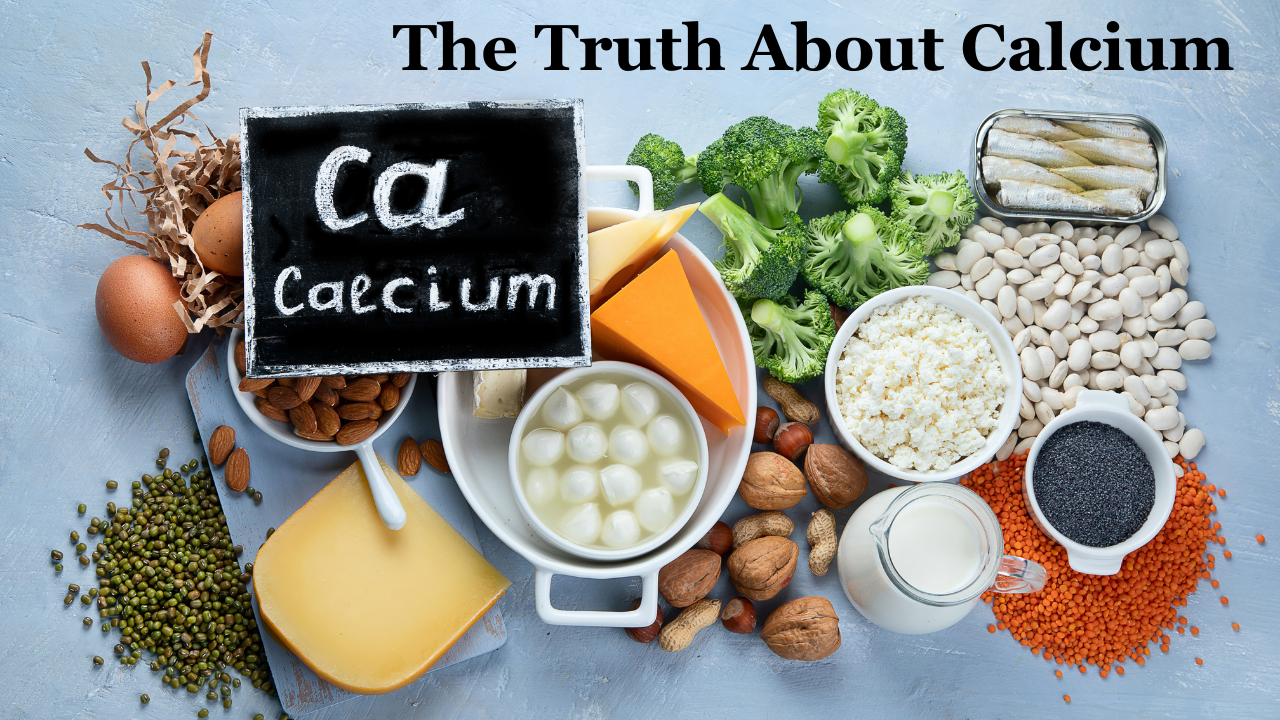
03 Sep The Truth About Calcium – What Everyone Needs to Know
Everyone’s heard that calcium builds strong bones, but there’s so much more to it. Calcium isn’t just a one-trick mineral. It fuels everything from the way you move your muscles to how your heart beats. Many still wonder if they’re getting enough or if all the hype is justified. Let’s cut through the confusion and get the real facts about calcium, with science-backed solutions for every lifestyle.
Calcium: More Than Just a Bone-Builder
Calcium is the most abundant mineral in the human body, and while it’s famous for building bones, its role goes far beyond the skeleton. Perhaps you’ve been told that the only way to get enough calcium is to eat lots of dairy and drink cow’s milk?
Why Calcium Is So Important for Your Body
Calcium acts like the body’s construction crew and messenger service rolled into one. It builds and maintains the framework that keeps you upright, but it also buzzes around your bloodstream, triggering life’s daily miracles.
- Nerves need calcium to send their electric signals, telling your muscles when to jump, your hand when to write, and your mouth when to speak.
- Muscles require calcium for contraction, whether kicking a footy or carrying the groceries home.
- Your heart depends on calcium to keep its steady beat, hour after hour.
How Calcium Powers Everyday Life
Every time a muscle contracts, calcium kicks things off. When you take a step, blink, or even just keep your heart beating, calcium’s hard at work. It’s as central to your health as water or oxygen.
- Muscle movement: From waving hello to running, calcium makes every action possible.
- Heartbeat: Heart muscle cells rely on calcium to contract and pump blood.
- Clotting blood: Get a cut? Calcium helps your blood do its repair job.
Want to explore more about calcium’s benefits? Check out Healthline’s guide here.
Getting Enough Calcium: Simple Ways That Work
How much calcium should people aim for? Most adults need between 1,000–1,200 mg per day. Kids and teens sometimes need even more.
But it isn’t just about how much you eat. It’s about smart sources — and making sure your body absorbs it well.
- Dairy: A top source for many, from milk to cheese and yoghurt.
- Plant foods: Don’t eat dairy? Leafy greens, nuts, legumes, and seeds step up.
- Fortified milks: Many non-dairy milks are fortified with calcium.
- Supplements: Can fill the gap, but not everyone needs them. Understand the basics in the NIH’s calcium guide.
Best Foods for Calcium: Dairy, Greens, and More
Here’s a quick table to make it easy to spot calcium-rich foods:
| Food Source | Serving Size | Calcium (mg) |
| Milk (whole or skim) | 1 cup | 250–305 |
| Low-fat yoghurt | 200g tub | 340 |
| Cheddar cheese | 40g slice | 300 |
| Cooked spinach | 1 cup | 245 |
| Canned sardines (with bones) | 90g tin | 320 |
| Almonds | 30g | 75 |
| Calcium-fortified plant milk | 1 cup | ~300 |
- Dairy fans: Milk, cheese, and yoghurt make it easy to hit daily targets.
- Plant-based diets: Go for kale, bok choy, almonds, tofu, and calcium-fortified non-dairy milks.
- Fish: Sardines and salmon with bones are calcium-rich options for seafood lovers.
How to Help Your Body Absorb Calcium
Getting enough calcium is only half the story. Your body needs vitamin D to absorb it well. A bit of sunshine, fatty fish, or fortified foods can help.
Some foods and habits can interfere with calcium absorption:
- Oxalates in large amounts (like in spinach or rhubarb) can block absorption.
- Excess caffeine may slightly reduce calcium use — though a couple of coffees a day won’t hurt.
- High salt intake can increase calcium loss through urine.
Balance is key. A well-rounded diet and active lifestyle support optimal calcium use.
Signs You Might Be Missing Out on Calcium
Calcium shortages build slowly. Early symptoms creep in quietly:
- Muscle cramps
- Tingling in fingers
- Weak or brittle nails
- More bone injuries or fractures
Who’s at risk?
- Older adults, especially postmenopausal women
- People who avoid dairy completely
- Vegans and some vegetarians
- Teens during growth spurts
If these ring a bell, or you have concerns about bone health, it’s smart to check in with your health professional.
Everyone’s calcium needs are a little different — and if you’re unsure whether you’re getting enough (or the right kind), a qualified dietitian can help.
For tailored nutrition guidance, book a consultation with Amy Peng, Accredited Practising Dietitian. She can help you build a calcium-rich diet that suits your lifestyle — whether you’re dairy-free, plant-based, or just looking to support long-term bone health.
______________________________________________________________________________________________________________________________________
Healthline. (n.d.). What is calcium? Benefits, sources, and deficiency symptoms. https://www.healthline.com/health/calcium
Mayo Clinic. (n.d.). Calcium supplements: Do men and women need to take them? https://www.mayoclinic.org/healthy-lifestyle/nutrition-and-healthy-eating/in-depth/calcium-supplements/art-20047097
National Institutes of Health, Office of Dietary Supplements. (n.d.). Calcium – Consumer fact sheet. U.S. Department of Health & Human Services. https://ods.od.nih.gov/factsheets/Calcium-Consumer/
PureHarvest. (n.d.). Organic, plant-based milks and wholefood products. https://pureharvest.com.au/
It is important to note that the specific interventions and strategies employed by any medical practitioner will depend on the individual’s unique needs. Each practitioner in a care team will work collaboratively with each other to provide comprehensive care and support for the individual.
If there is a part of your condition or injury that you are struggling to understand, be sure to seek clarification with your medical professional. None of the information in this article is a replacement for proper medical advice. Always seek advice from your trusted medical professional regarding your health and/or medical conditions.