
19 Mar GLP-1 Medications and Nutrition
Why Nutrition Is the Best Partner to GLP-1 Medications
GLP-1 medicines such as semaglutide and tirzepatide can be very effective. They lower appetite, slow digestion, and help many people lose weight or improve type 2 diabetes control. Still, GLP-1 nutrition matters just as much as the prescription.
Why? Because eating less doesn’t automatically mean eating well. Without a smart food plan, it’s easy to lose muscle, feel flat, struggle with nausea, get constipated, or miss key nutrients. Good nutrition helps steady blood sugar, protects strength, and makes results easier to maintain. If you’re using GLP-1s for weight loss or diabetes, food isn’t a side note. It’s part of the treatment.
What GLP-1 medications do, and what they cannot do on their own
GLP-1 medicines copy signals your gut already uses. They help you feel full sooner, reduce hunger, and slow how fast food leaves your stomach. As a result, many people naturally eat less.
That sounds simple, but there’s a catch. Smaller meals can also mean less protein, less fibre, less fluid, and fewer vitamins and minerals. If someone already had patchy eating habits before treatment, those gaps can grow once appetite drops.
Current advice backs a combined approach, not medication alone. A joint clinical advisory on nutritional priorities for GLP-1 therapy and the latest diabetes standards both support pairing these medicines with nutrition, movement, and behaviour support.
Less hunger does not always mean better nutrition
A smaller appetite can be misleading. Some people skip breakfast, nibble on crackers, or make dinner their only real meal. Others rely on easy snack foods because they feel a bit off.
That pattern can leave protein and fibre well below target. Recent US data suggests many GLP-1 users fall short on both, along with nutrients such as iron, calcium, vitamin D, magnesium, and zinc. Then fatigue, weakness, hair loss, dehydration, and constipation can start to show up.
Why nutrition helps reduce common GLP-1 side effects
Food habits also affect how well people tolerate treatment. Large meals, fried foods, and rushing through meals can make nausea, bloating, reflux, or heartburn worse. On the other hand, smaller meals, slower eating, and simple whole foods tend to sit better.
Hydration matters too. So does gentle fibre intake. If constipation turns up, water plus foods like oats, fruit, beans, and vegetables usually help more than living on white toast.
The nutrition priorities that make GLP-1 treatment safer and more effective
The best eating plan on GLP-1s isn’t a crash diet. It’s a steady pattern built around protein, fibre, whole foods, and fluids. Think of the medication as the brake pedal for hunger. Nutrition is the steering wheel.
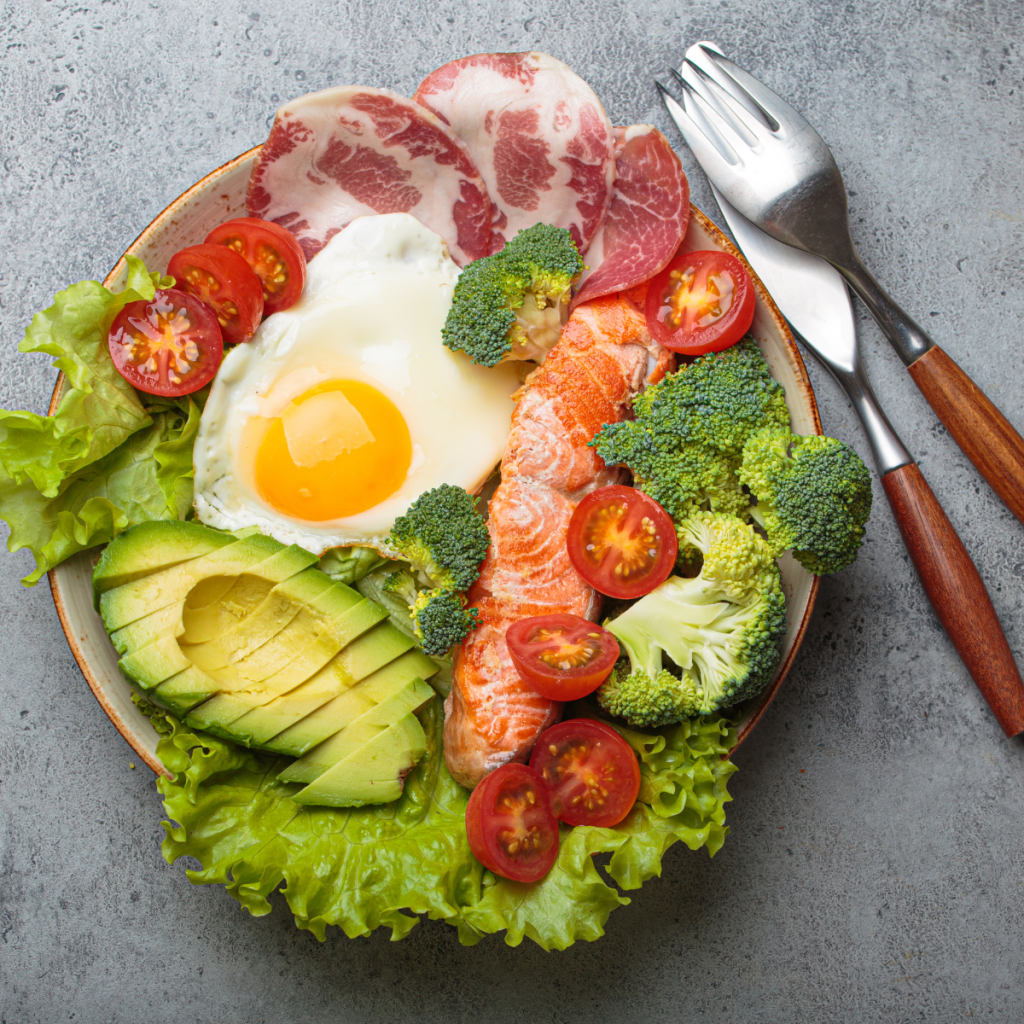 Less food is not the same as better nutrition.
A simple plate works well: protein first, then vegetables or fruit, then a high-fibre carbohydrate, plus some healthy fat. That could be eggs on grainy toast with avocado, Greek yoghurt with berries and oats, or salmon with brown rice and greens. For people who need more tailored help, personalised dietetics for weight management can turn general advice into a realistic plan.
Protein protects muscle when weight is coming off
Fast weight loss doesn’t just remove fat. Research suggests about 20% to 40% of weight lost on GLP-1s may come from lean tissue, including muscle. That’s a big deal because muscle supports strength, balance, metabolism, and daily function.
Broad 2026 guidance now leans towards higher protein intakes during active weight loss, often around 1.2 to 1.6 g per kg of body weight. You don’t need to obsess over numbers at every meal, but you do need to make protein a habit.
Start with foods that are easy to tolerate, such as eggs, yoghurt, cottage cheese, fish, chicken, tofu, milk, beans, or lentils. On low appetite days, a smaller protein-rich option is better than skipping the meal altogether. For some people with diabetes or pre-diabetes, a diabetes-specific nutrition drink can also help fill gaps when solid food feels hard to manage.
Fibre, fluids, and whole foods help with fullness and gut comfort
Fibre helps in two directions at once. It supports bowel health and can improve fullness. It also helps keep blood sugar steadier after meals. Good choices include oats, berries, apples, vegetables, legumes, chia, and whole grains.
Fluids matter just as much. When appetite drops, people often drink less without realising it. Then constipation, headaches, and tiredness follow. Sip water through the day, especially if meals are smaller.
In contrast, ultra-processed snack foods, sugary drinks, and very greasy meals often make things worse. They can be easy to eat, but they don’t give much back.
How to build a routine you can actually keep while taking GLP-1s
The best routine is the one you can repeat next week. Perfection isn’t the target. Consistency is.
Start with three small meals, or two meals plus one or two protein-rich snacks. Eat slowly. Stop before you’re overly full. Try to include protein early in the day rather than chasing it at night. If you wait until 7 pm to eat properly, you’ll usually feel worse and fall short.
Simple meal habits that make eating easier on low appetite days
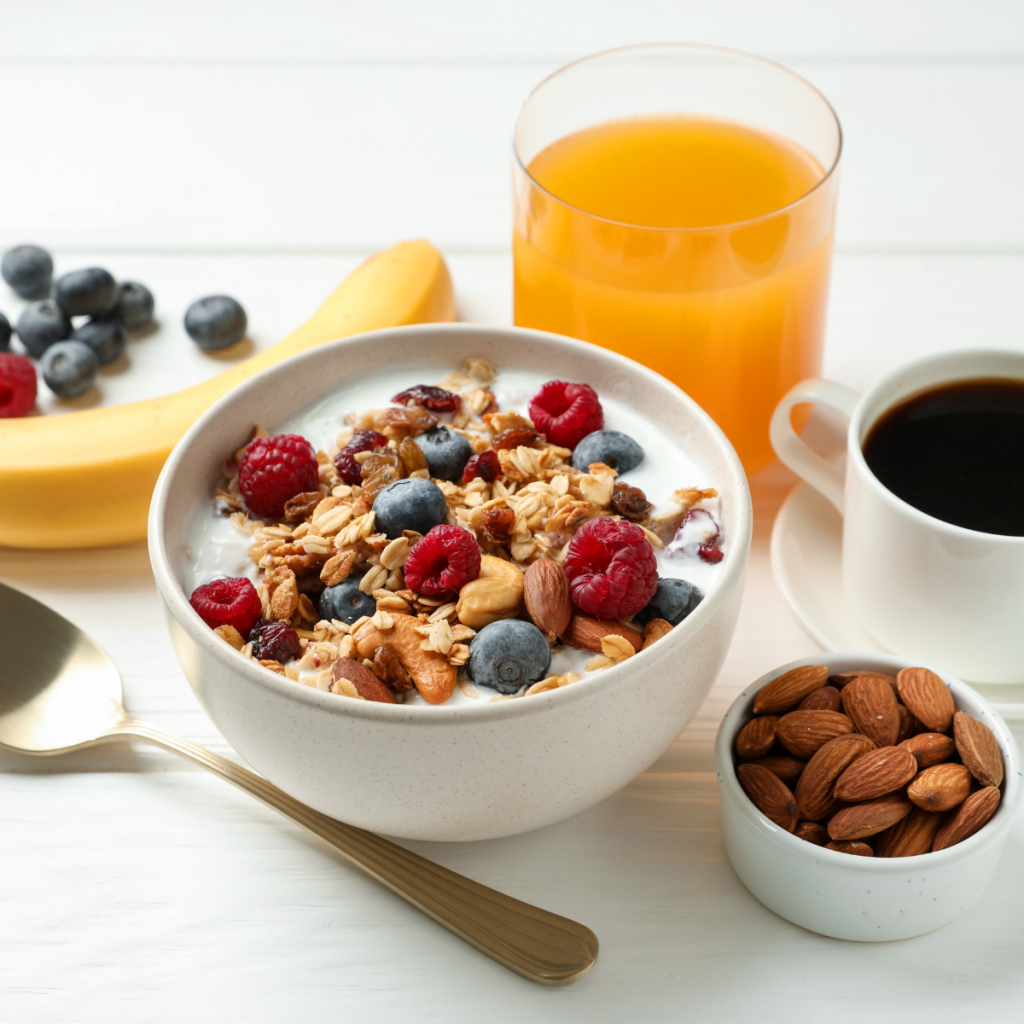
Keep meals plain and easy when nausea is around. Yoghurt with fruit, oats, soup with beans, eggs on toast, tuna with crackers, or a smoothie with milk and yoghurt can all work well. Soft, cool foods are often easier than rich, hot meals.
Movement also matters here. Current ADA Standards of Care in Diabetes 2026 continue to support nutrition, physical activity, and behavioural care alongside medication. Adding exercise programs for weight management can help protect muscle while the scales move.
When extra support from a health professional matters
Sometimes appetite gets too low, or side effects drag on. Ongoing nausea, very low food intake, weakness, fast weight loss, constipation, or confusion about what to eat are all signs to get help.
A GP, dietitian, and allied health team can adjust the plan before small issues become bigger ones. That support can be the difference between stopping treatment early and staying on track safely.
The takeaway
GLP-1 medicines can help control hunger, but nutrition is what turns that help into better long-term results. It protects muscle, eases side effects, supports blood sugar, and makes weight loss more sustainable. Start with the basics: protein at each meal, more fibre-rich whole foods, enough fluids, and a plan that fits real life. When appetite changes, your food plan should change with it.
If you are investing in your health through medication, make sure you are fuelling your body to stay strong for the long term. Contact our Dietitian, Amy Peng, for a personalised nutrition plan designed to work in harmony with your treatment.
It is important to note that the specific interventions and strategies employed by any medical practitioner will depend on the individual’s unique needs. Each practitioner in a care team will work collaboratively with each other to provide comprehensive care and support for the individual.
If there is a part of your condition or injury that you are struggling to understand, be sure to seek clarification with your medical professional. None of the information in this article is a replacement for proper medical advice. Always seek advice from your trusted medical professional regarding your health and/or medical conditions.