
24 Apr The Deep Squat Test: Is Your Desk Stealing Your Hip Mobility?
You know the feeling. You stand up after a few hours at the desk and your hips feel rusty, your lower back grumbles, and the first few steps are awkward. That’s not a personal failure. It’s a very common side effect of modern work.
In the latest Australian figures available, 46.9% of employed adults aged 18 to 64 said their workday was mostly sitting. That matters, because long stretches in a chair can change how your hips, ankles, spine, and core work together. A simple deep squat test can act like a quick movement check. It can show whether your body still has the range and control for everyday tasks. Poor results don’t always mean your hips are the only problem, though. Ankles, upper back stiffness, and trunk control can all shape the squat too.
What the deep squat test actually tells you about your body
The deep squat test is more than a gym move. It’s a fast way to see how well several body parts share the job of moving. Think of it as a basic systems check.
A clean squat needs enough hip mobility, ankle bend, upper back extension, and steady control through the trunk. If one area is limited, another area often cheats. That’s when heels lift, the chest falls forward, or the knees drift in.
For daily life, this matters more than most people think. Squatting shows up when you sit down, stand up, pick something off the floor, get into a car, or play with kids. If the pattern is messy, your body may be finding workarounds that load the wrong spots.
How to do the test at home in less than a minute
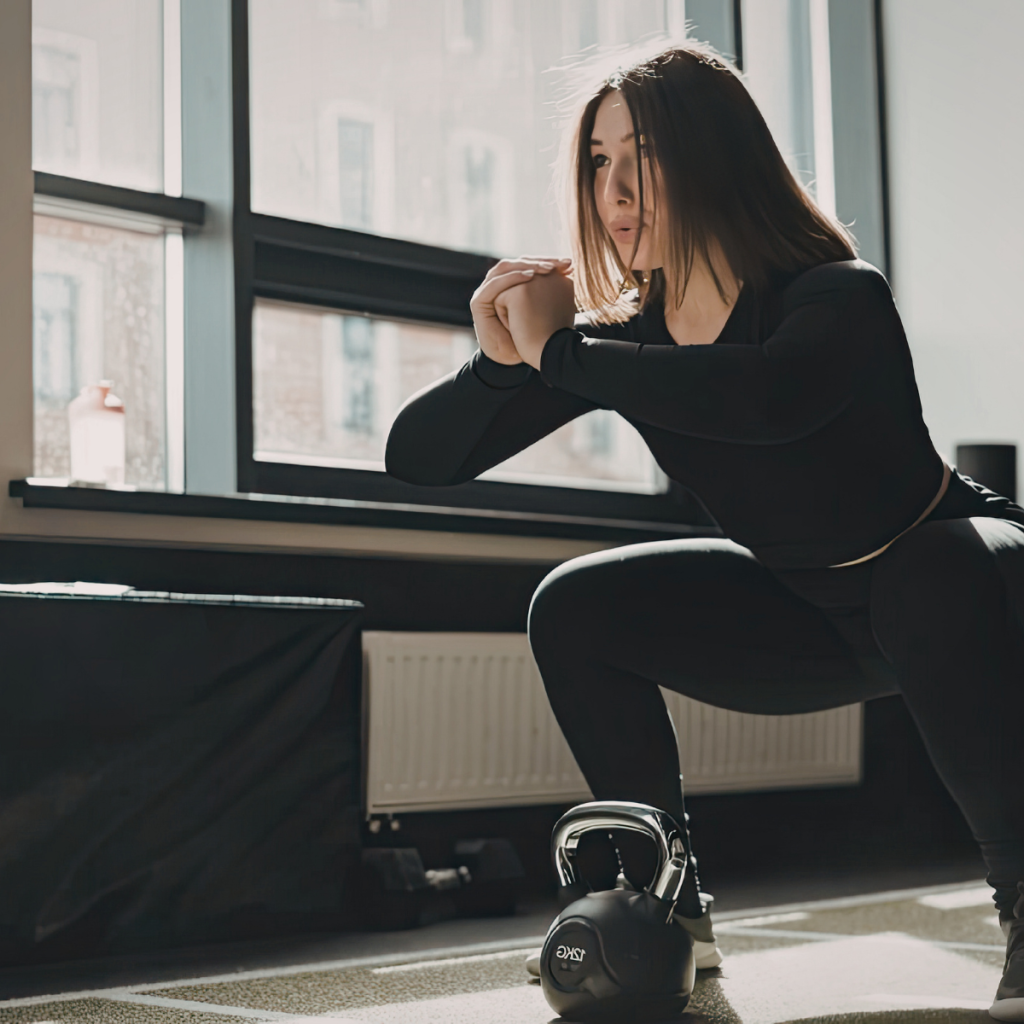
You don’t need equipment. Just use a flat floor and a bit of space.
- Stand with your feet about shoulder-width apart, with toes mostly forward.
- Let your arms reach forward for balance.
- Squat down as low as you can while keeping your whole foot on the floor.
- Let your knees track over your toes, then stand back up with control.
That’s it. Keep it simple. An overhead squat is a harder version, but it’s not the main test here.
What a good squat looks like, and the signs something is off
A solid squat usually looks smooth and balanced. Your heels stay down, your chest stays fairly upright, and your knees stay in line with your feet. If your mobility allows, your hips may drop below your knees.
Common warning signs are easy to spot. Your heels might lift. You may fold forward like a camping chair. Some people shift to one side, while others let the knees cave in. A sharp pinch at the front of the hips can also show up.
If the test causes pain, stop. A squat should feel like effort, not a warning signal.
Why desk work often shows up as tight hip flexors and a messy squat
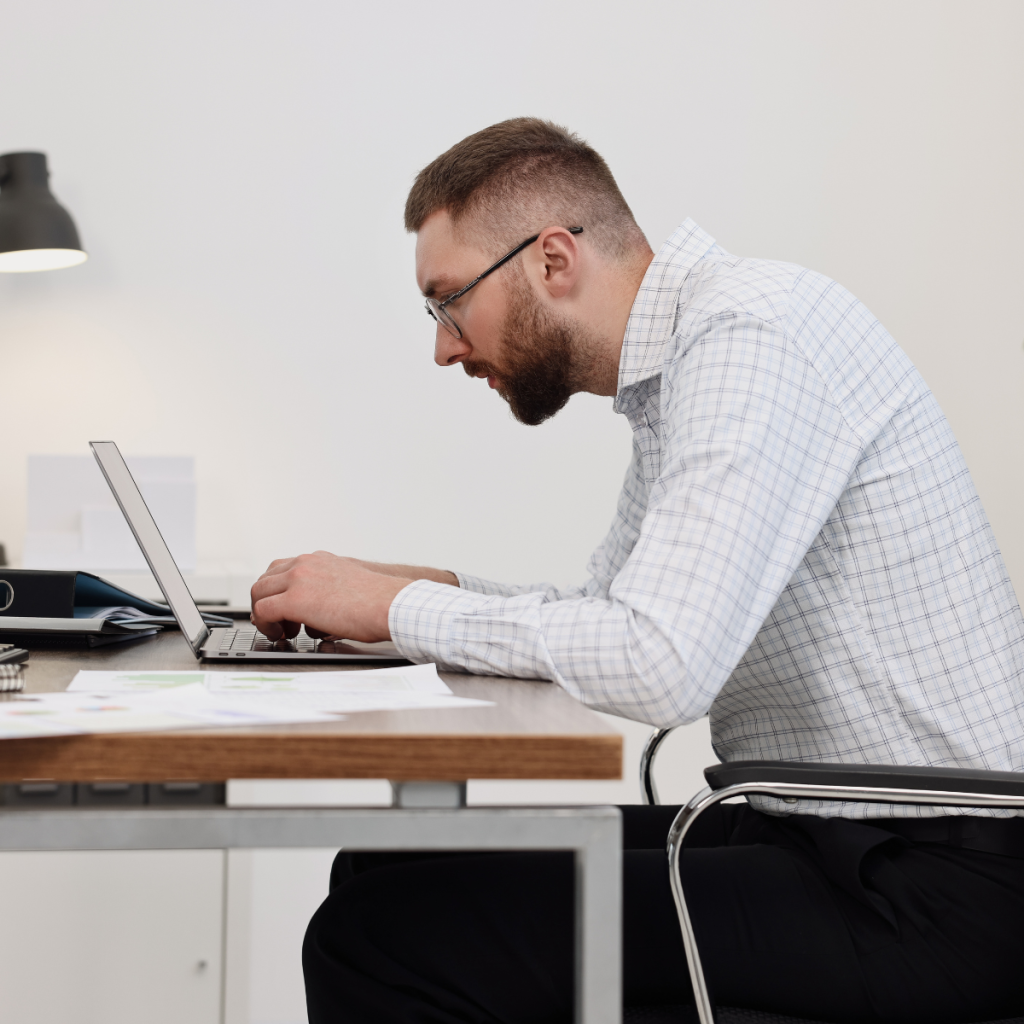
Sitting keeps your hips bent for hours. Over time, the front of the hips can start to feel short and stiff, while the glutes do less of their normal work. That combo can make standing, walking, and squatting feel clunky.
Research backs this up. In one 2020 study, people who sat more than seven hours a day and had low activity showed about 6.1 degrees less hip extension than people who sat less and moved more. That doesn’t prove sitting alone caused the change, but the link is hard to ignore.
A better workstation can help reduce strain, so a pain-free workspace setup checklist is worth a look. Still, ergonomics won’t replace movement. A well-set chair is helpful, but your hips still want breaks.
The hip flexor problem starts at the front, but it spreads everywhere
Tight hip flexors don’t stay politely at the front of the hips. They can tilt the pelvis forward and make the lower back work harder than it should. As a result, standing up from a chair may feel stiff, walking can feel less fluid, and stairs may load the knees more than usual.
It’s like pulling the front guy ropes on a tent too tight. The whole structure shifts. Your body will still get the job done, but it may do it with more strain.
Your squat may blame your hips, but ankles and upper back can join in
Not every bad squat points straight at the hips. Limited ankle movement often lifts the heels and pushes the body forward. A stiff upper back can also make the chest drop, even if the hips are doing their part.
That’s why self-diagnosing too fast can send you in the wrong direction. The squat is a pattern, not a single-joint test. If one piece is off, the whole picture changes.
A 3-minute office reset to help your hips move better again
You don’t need to get sweaty or change clothes. A short reset can loosen the front of the hips, wake up sleepy muscles, and give your squat a better chance. The goal is not a perfect squat today. The goal is a body that moves with less drag.
If stiffness keeps hanging around, guided rehab can help. A structured plan through exercise therapy for back pain and movement restrictions can make those changes stick.
Minute 1, open the front of the hips
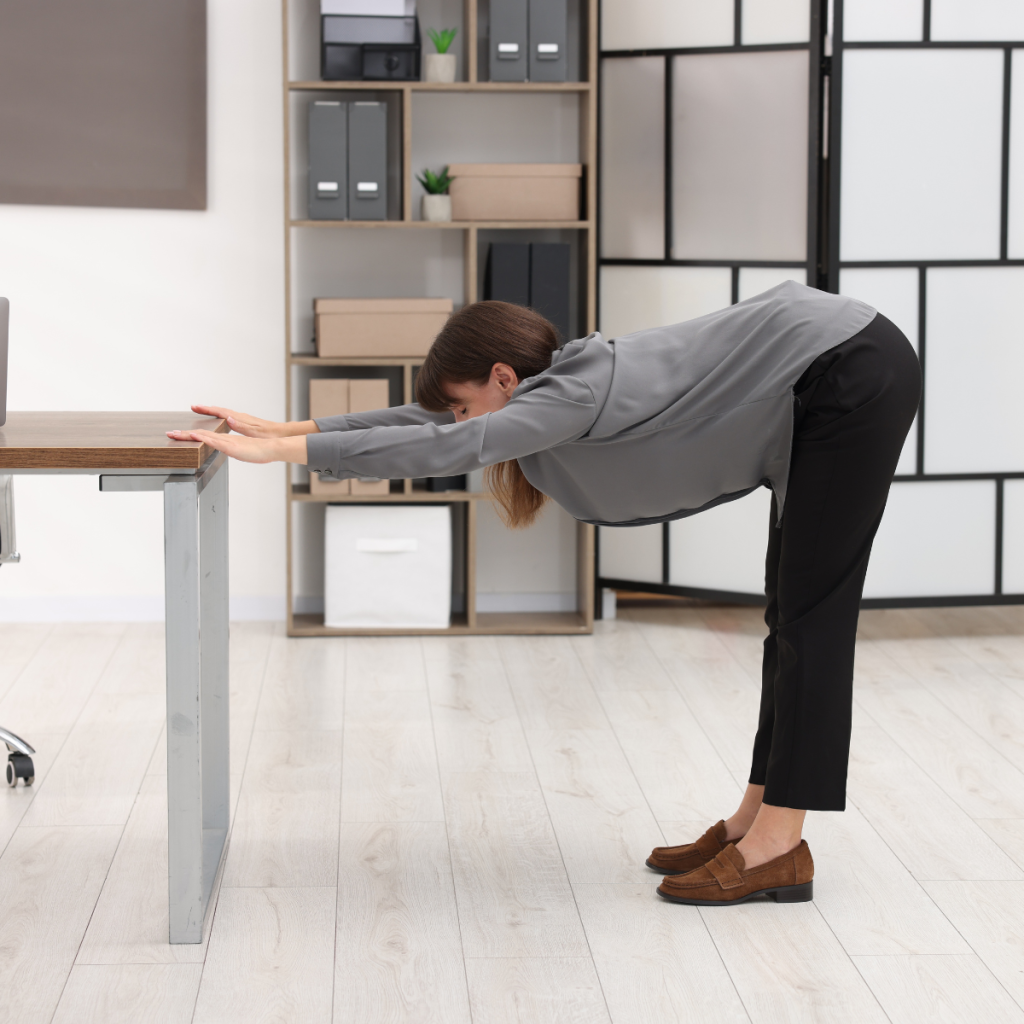
Step one foot forward into a split stance. Keep the back leg straight and the front knee bent. Gently tuck your ribs down and squeeze the glute on the back leg. Then shift forward just enough to feel a stretch at the front of that hip.
Hold for about 30 seconds each side. Keep it gentle. No forcing, no big arch through the lower back.
Minute 2, wake up the glutes and core
Now give the back side of the body a job. Stand tall, squeeze both glutes for five seconds, then relax. Repeat that five times. After that, do five slow mini squats, holding the bottom for two seconds.
This helps your body share the load better. Instead of dumping pressure into the lower back, you start to use the hips and trunk with more control.
Minute 3, re-test your squat and notice the change
Go back to the deep squat test. Look for small wins, not miracles. Maybe your heels stay down longer. Maybe your chest stays a bit taller. Maybe the depth improves by a few centimetres.
Those changes count. Better movement often arrives in small steps, and that’s normal.
The deep squat test is a quick way to spot what too much sitting may be doing before it turns into bigger limits. Desk time can reduce hip mobility, especially through the hip flexors, but short movement breaks can help shift things in the right direction. Keep checking in with your movement, not just your pain. And if your squat brings on pain, strong pinching, or ongoing restriction, get it properly assessed.
It is important to note that the specific interventions and strategies employed by any medical practitioner will depend on the individual’s unique needs. Each practitioner in a care team will work collaboratively with each other to provide comprehensive care and support for the individual.
If there is a part of your condition or injury that you are struggling to understand, be sure to seek clarification with your medical professional. None of the information in this article is a replacement for proper medical advice. Always seek advice from your trusted medical professional regarding your health and/or medical conditions.