
16 Jun The Vaping Effect: Why Your Injury Isn’t Healing as Fast as It Should
Scroll through social media and vaping can look harmless, even slick. It’s often framed as a cleaner option than smoking, so it’s easy to assume it won’t affect recovery. But that idea falls apart when an ankle sprain drags on, a tendon stays sore, or a wound just won’t settle.
If your vaping habit seems unrelated to your injury, think again. Healing needs good blood flow, oxygen, and raw materials. Nicotine and other vape chemicals can interfere with all three. That means a sprain, strain, tendon issue, ligament injury, or post-treatment flare-up may take longer to calm down than it should.
Why vaping slows down healing, even if you feel otherwise
Healing is like a building site. Your body needs workers, fuel, and a clear road to deliver supplies. Blood does that job. It carries oxygen, protein, and repair cells to damaged tissue. When that flow drops, the whole process slows.
Nicotine makes blood vessels tighten. That leaves less room for blood to move through. At the same time, blood can become stickier, which makes smooth delivery harder again. Tissues then get less oxygen, and oxygen is a big part of tissue repair. Skin, muscle, tendon, ligament, and bone all depend on that system.
Recent research on wound and surgery recovery shows a clear pattern. Vaping can impair healing in ways that look very similar to cigarette smoking. Studies on skin, oral tissue, and chronic wounds report slower repair, more inflammation, and poorer tissue quality. Reviews published in 2025 also point to nicotine harming cell movement and energy production, both of which matter when the body is trying to rebuild.
Because of that, many health professionals now advise stopping vaping before and after surgery. A common recommendation is 4 to 6 weeks on either side of an operation. That advice is not about scare tactics. It’s about giving your tissue the best shot at healing well.
Less blood flow means less repair work gets done
Tendons, ligaments, muscles, and skin all need blood supply to repair tiny tears and rebuild damaged fibres. If nicotine narrows those blood vessels, the repair crew gets fewer supplies.
That matters even more because some tissues already heal slowly. Tendons and ligaments don’t have the rich blood supply that muscle does. So even a modest drop in circulation can stretch recovery out.
If blood flow drops, repair usually slows with it.
 It’s not just nicotine, vape chemicals can irritate healing tissue too
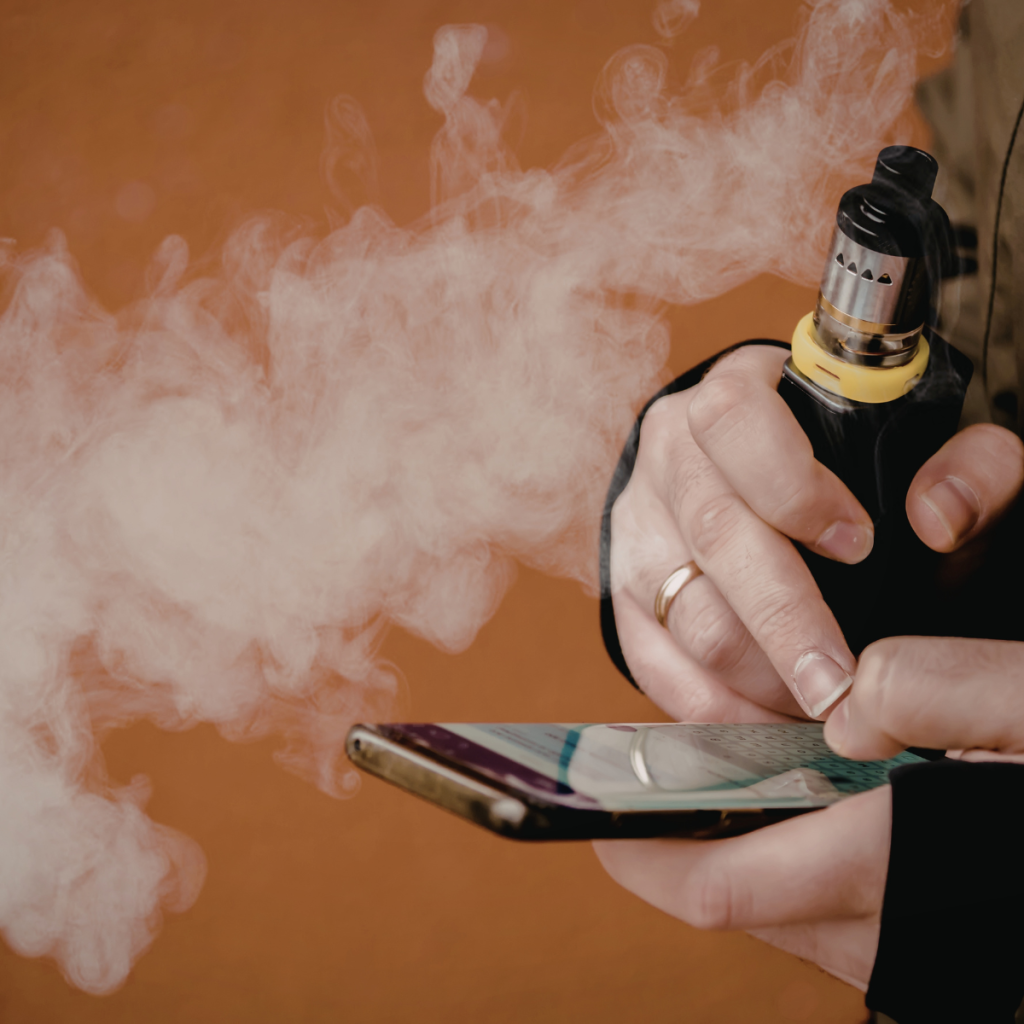
Nicotine gets most of the attention, but it’s not the only issue. E-liquids can contain solvents, flavouring compounds, and very small particles from the device itself. Research suggests these may add irritation, oxidative stress, and extra inflammation.
That doesn’t mean every vape causes the same level of harm. It does mean the question isn’t only about nicotine strength. The whole exposure matters, especially when your body is already trying to recover.
What this can look like in real life when an injury won’t settle
In clinic, delayed healing rarely shows up as one dramatic sign. It usually looks more ordinary, which is why it gets missed. Pain lingers longer than expected. Swelling hangs around. A joint loosens up, then stiffens again the next day. Rehab seems to help, but progress stalls.
A lot of the strongest research sits around wound and surgical healing. Still, the same blood flow and tissue repair basics matter for musculoskeletal injuries too. Tendons and ligaments don’t magically heal by a different rule-book. They still need oxygen, nutrients, and time.
Signs your body may be struggling to heal on time
A slow recovery can have many causes, so vaping is not the only suspect. Load errors, poor sleep, low protein intake, stress, and returning to sport too soon all matter. Even so, vaping can be an overlooked piece of the puzzle.
Common signs include lingering pain after what should be a normal healing window, swelling that keeps returning, or stiffness that settles after treatment but comes back fast. Some people also notice they can’t progress their rehab without a flare-up. Others feel fine at rest, then fall apart after a modest walk, gym session, or training drill.
That kind of stop-start recovery is frustrating. It can also make a good treatment plan look like it isn’t working, when the body simply lacks the best conditions to repair.
 Why tendon and ligament injuries can be hit the hardest
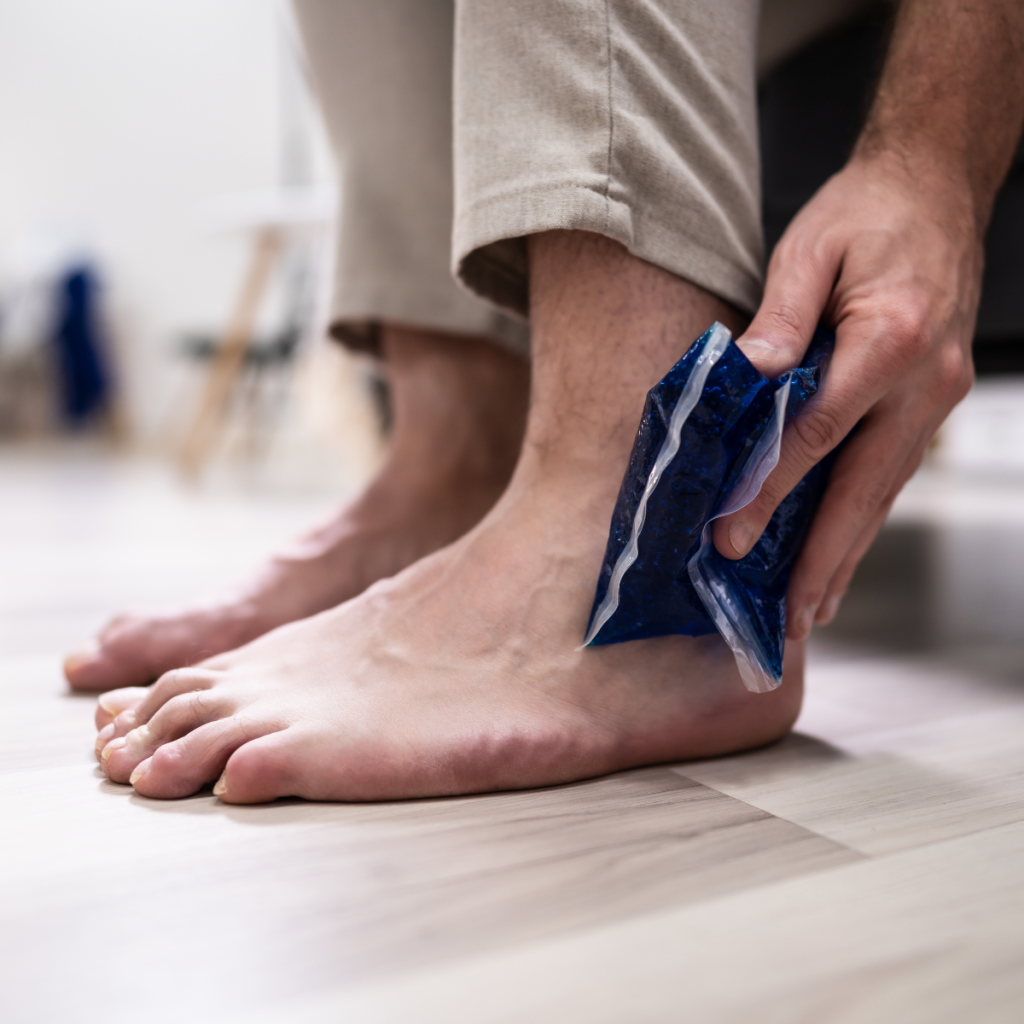
Tendons and ligaments are fussy healers. They already have a poorer blood supply than many other tissues, so anything that cuts circulation further can slow the process down.
That’s why issues like ankle sprains, rotator cuff irritation, tennis elbow, Achilles pain, and knee ligament strains can drag on. If you’re dealing with a ligament injury, tailored guidance matters. Brighton Spinal has a useful article on ACL rupture recovery options that shows how structured rehab supports healing.
What to do if you vape and want your recovery back on track
This isn’t about guilt. It’s about removing barriers so treatment has a fair chance to work.
Start by being honest with your physio, chiro, osteo, GP, or surgeon about vaping. That one detail can change how they plan recovery, especially around surgery, wound care, tendon rehab, or return to sport. If you need broader support, physiotherapy in Brighton can help guide treatment and pacing for joint and soft tissue injuries.
Cutting back may help, but stopping gives healing the best chance. If surgery is coming up, many clinicians recommend quitting for 4 to 6 weeks before and after the procedure.
Small changes now can make rehab work better
Quitting nicotine is the big one, but it’s not the only lever. Sleep well, eat enough protein, and keep doing the rehab exercises you’ve been given. Also, respect load advice. A tendon doesn’t care that you had a good day on Tuesday.
Supervised rehab can also keep recovery moving in the right direction. A physio-led gym rehab program can help you build back strength without overdoing it.
When it’s worth getting tailored help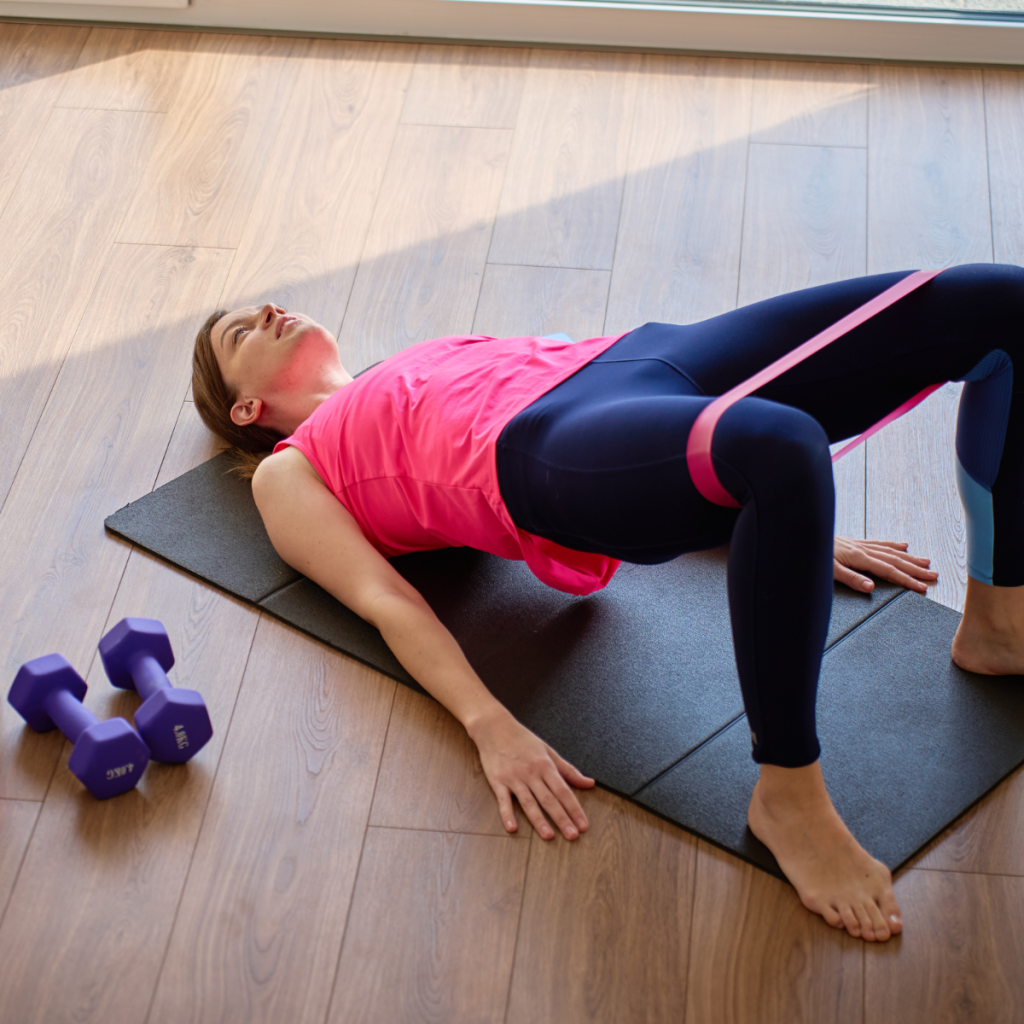
If your injury keeps flaring, isn’t improving, or feels stuck, get it checked properly. The longer a problem drags on, the harder it can be to sort out what is driving it.
Good treatment matters. But treatment works best when your body has what it needs to heal.
Vaping often gets sold as the less harmful option, and social media rarely shows the recovery side of the story. Yet blood flow, oxygen delivery, and tissue repair can all take a hit, which means injuries may linger for longer than they should. If you want a better shot at faster healing, address the habit early, stick with your rehab, and give your body a fair chance to catch up.
It is important to note that the specific interventions and strategies employed by any medical practitioner will depend on the individual’s unique needs. Each practitioner in a care team will work collaboratively with each other to provide comprehensive care and support for the individual.
If there is a part of your condition or injury that you are struggling to understand, be sure to seek clarification with your medical professional. None of the information in this article is a replacement for proper medical advice. Always seek advice from your trusted medical professional regarding your health and/or medical conditions.