
07 Apr Beyond the Bone: Why Muscle Mass Is Australia’s New Longevity Currency
Australians have long heard about bone density, and for good reason. Fragile bones raise the risk of fractures, pain, and loss of independence. But in 2026, muscle mass is getting the attention it deserves too.
Why? Because muscle is more than bulk. It helps you stay steady, get up from a chair, carry shopping, recover from illness, and keep doing the small things that make life feel like your own. In that sense, muscle has become a kind of longevity currency. The more you protect it, the more freedom you tend to keep.
That matters in Australia, where about 1 in 5 people aged 60 and over are affected by sarcopenia, the age-related loss of muscle mass and strength. Muscle loss can begin from around your 30s, then pick up later in life. If you want support turning that knowledge into action, clinical exercise physiology can help make strength work safe and practical.
Muscle does much more than help you lift things
Most people still think of muscle as a gym issue. It isn’t. Healthy muscle helps control balance, walking speed, posture, joint support, blood sugar, and energy use. It also gives your body a better 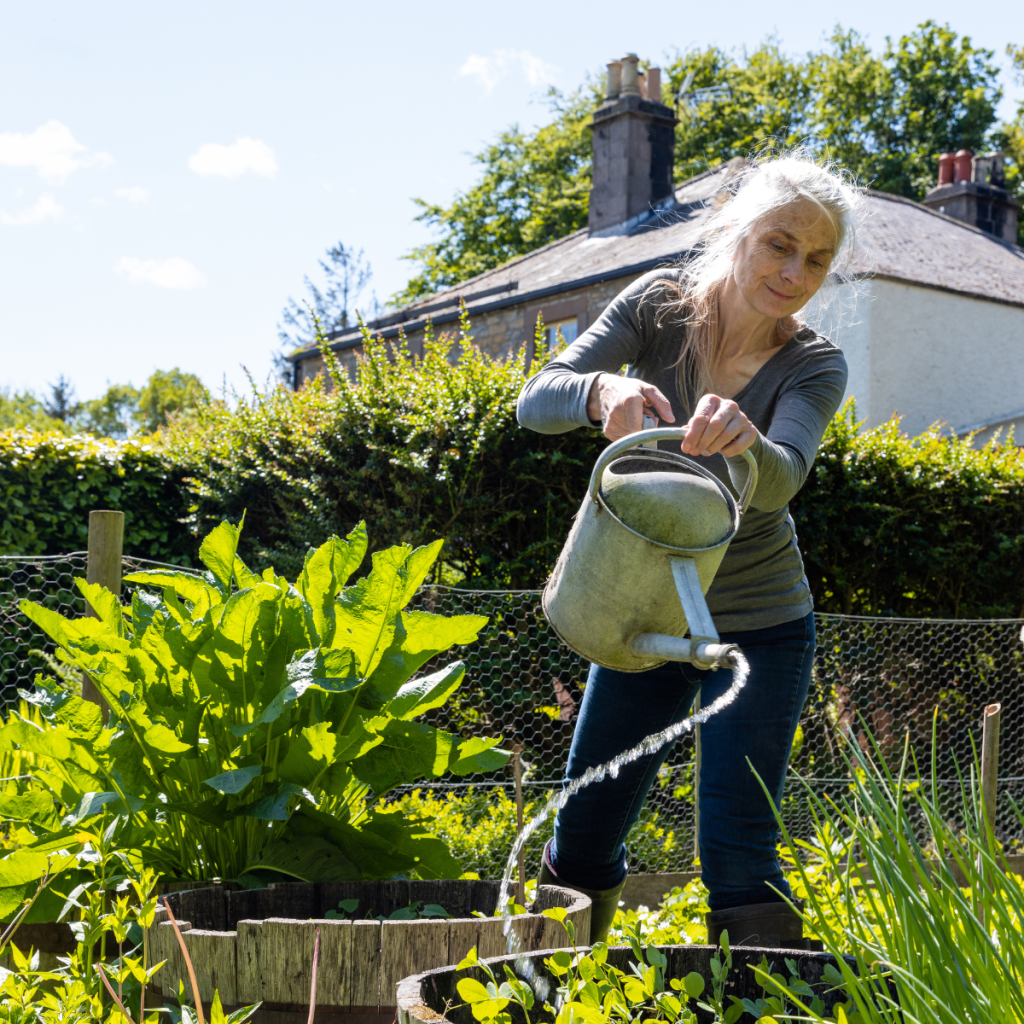 shot at bouncing back after injury, surgery, or a rough illness.
That changes real-life outcomes. People with better muscle strength usually move more confidently, fall less often, and cope better with daily tasks. They also tend to stay independent for longer. On the other hand, low muscle mass is linked with more hospital stays, more disability, and a higher risk of early death.
Think of muscle like the shock absorbers in a car. Bones are the frame, but muscle helps you steer, brake, and stay upright when the road gets rough. Without enough of it, even a small wobble can turn into a big setback.
Why losing muscle can quietly shrink your world
Sarcopenia rarely arrives with a big warning sign. It often shows up as little changes. Stairs feel steeper. Getting off the couch takes a second try. A long walk seems less appealing. Carrying bags from the car becomes a two-trip job.
Over time, those changes can narrow a person’s world. You might skip outings because you’re tired. You might stop gardening because your back feels vulnerable. Keeping up with grandkids can start to feel like hard work instead of fun.
That’s why muscle health is becoming a bigger part of preventative health in Australia. It’s not only about adding years to life. It’s about keeping life wide enough to enjoy.
Why bone health and muscle health need to be treated as a team
Strong bones still matter, of course. But bones don’t work alone. They depend on strong muscles, steady balance, and the ability to react quickly when you trip or lose footing.
Strength and weight-bearing exercise help both systems at once. When muscles pull against bone, the body gets a message to adapt. That can support bone density while also improving force, coordination, and balance. So if you’re thinking about falls or fractures, muscle belongs in the same conversation. Brighton’s Better Bone Health Program reflects that team approach.
Sarcopenia is now a real preventative health issue, not just an ageing problem
Sarcopenia means age-related muscle loss that affects muscle size, strength, and how well you function. In plain English, it means your body loses some of the engine that keeps you moving well. And while it becomes more common later in life, it doesn’t start only in very old age.
Australian clinicians are putting more focus on early screening because sarcopenia often goes unnoticed until falls, frailty, or major weakness appear. Current Australian commentary points to a life-course approach. Build muscle early, keep using it through midlife, and don’t wait for a problem before acting.
That’s a shift worth noticing. For years, ageing care focused heavily on disease after it arrived. Sarcopenia pushes the conversation earlier. It asks a simpler question: how do we keep people stronger before they lose ground?
What puts people at risk, even if they feel mostly fine
Some risk factors are obvious, but others aren’t. Common ones include:
- Getting older, because muscle repair slows with age
- Not doing enough strength work, even if you walk a lot
- Low protein intake, which limits muscle repair
- Long periods of inactivity, including desk time or bed rest
- Chronic illness, such as diabetes or lung disease
- Hospital stays, where muscle can drop fast
Even active people can lose muscle as they age. That’s why targeted resistance training matters. General movement helps, but muscle usually needs a clear reason to stay.
The good news, muscle responds well to training at almost any age
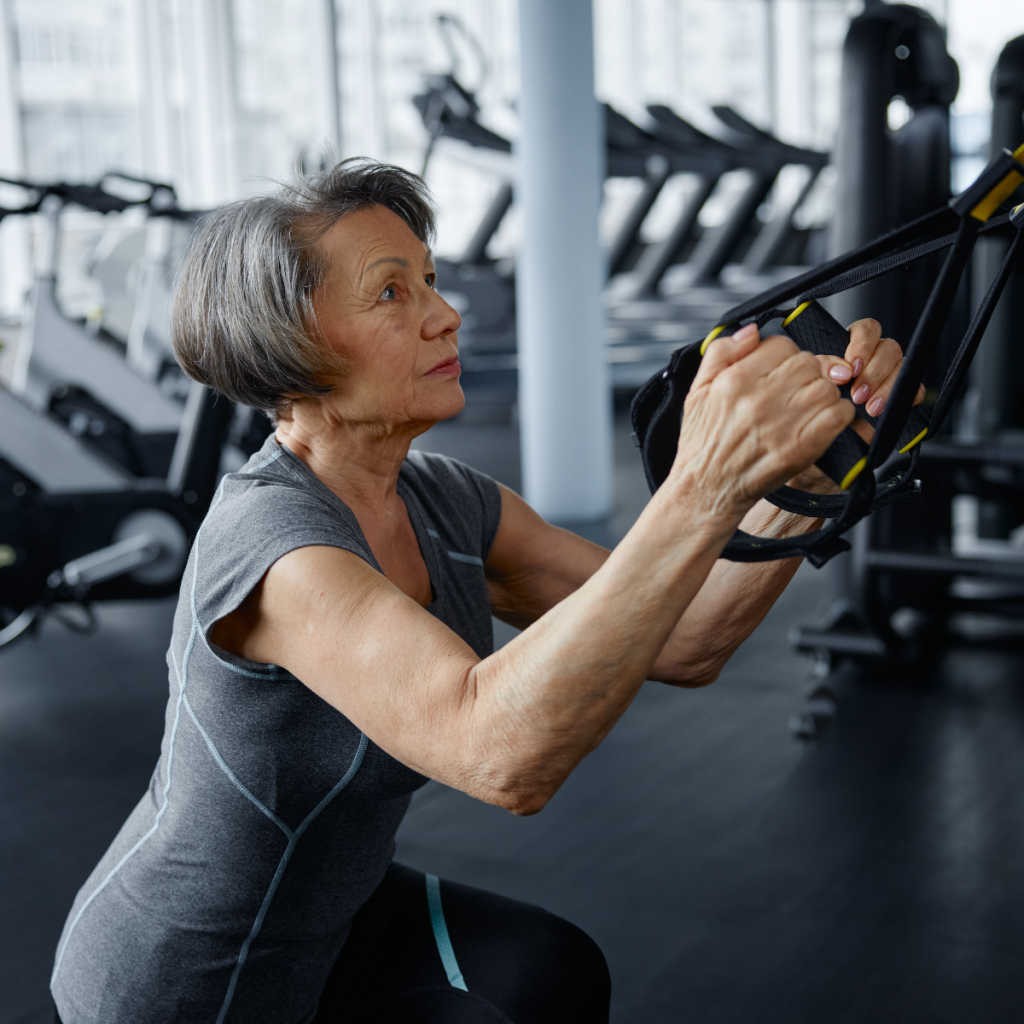
Here’s the encouraging part: muscle is adaptable. Research keeps showing that people can build strength well into their 80s and 90s. You don’t need to train like an athlete. You just need steady, progressive work.
For many people, two to three strength sessions a week can shift things in the right direction. Bodyweight moves, resistance bands, machines, and free weights all have a place. What matters most is matching the exercise to the person and building from there.
Progress beats perfection every time. A stronger sit-to-stand, a steadier step, and less fear of movement are real wins.
How osteopaths, physiotherapists and exercise physiologists help people stay stronger for longer
This is where allied health becomes practical. Here at Brighton Spine and Sports Clinic, osteopaths, physiotherapists, and exercise physiologists each bring a different piece of the puzzle. Together, they can help prevent or slow sarcopenia with pain care, movement assessment, and tailored strength training.
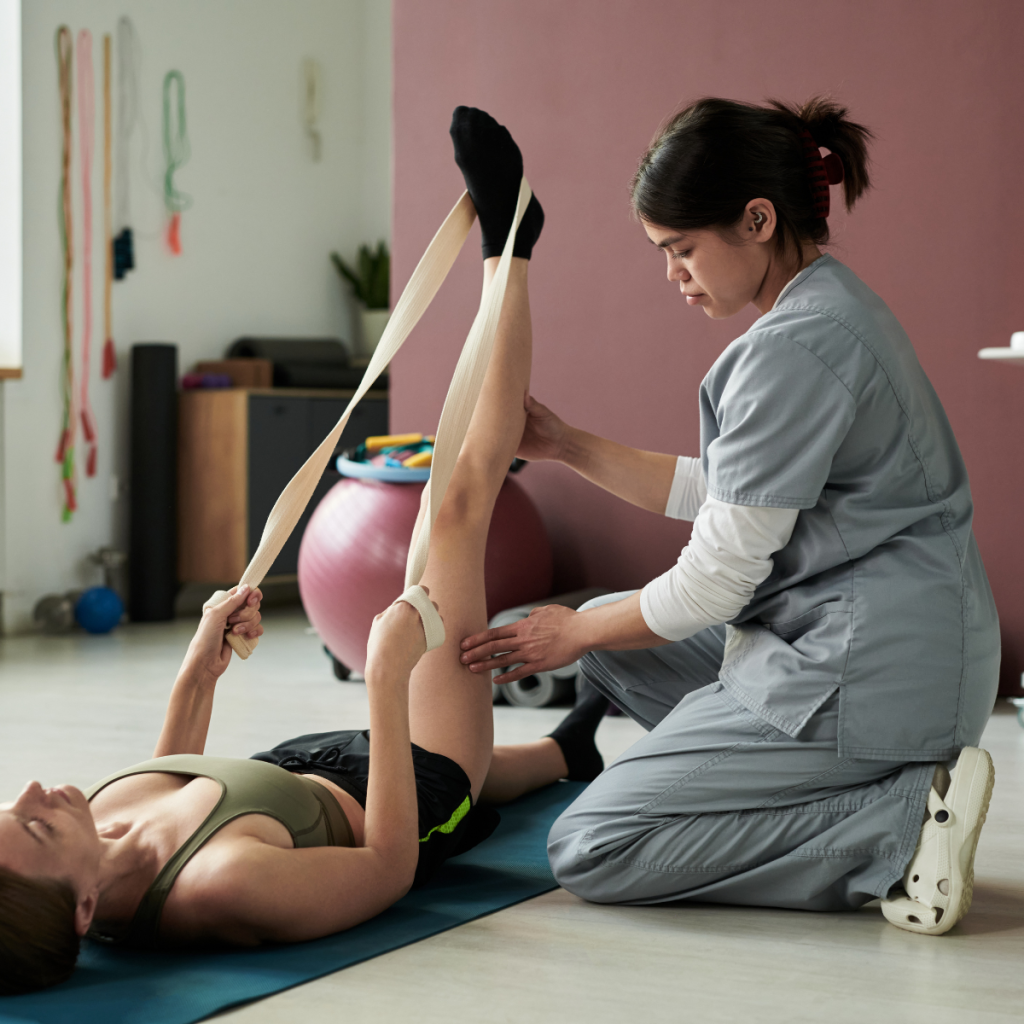
An osteopath or physiotherapist may first help reduce pain, improve joint motion, and spot the barriers that stop someone from moving well. That matters because people rarely build strength consistently when every session feels threatening or painful.
An exercise physiologist then helps turn “you should do strength training” into a proper plan. That’s often the missing step. Good intentions don’t mean much without progression, coaching, and a program that suits the person’s health, age, confidence, and goals.
What an osteopath or physio can pick up before weakness turns into bigger problems
Early signs often hide in plain sight. A clinician might notice poor balance, slower gait, reduced mobility, posture changes, or pain that keeps someone from loading a leg properly. They may also spot strength gaps after injury, when a person seems “better” but still can’t return to normal activity.
That early check matters because weakness often sneaks in around pain. If moving hurts, people move less. Then muscle drops, balance worsens, and the cycle keeps feeding itself.
Why exercise physiology is often the missing link in healthy ageing
Exercise physiologists build structured, progressive strength programs. That can include supervised resistance work, habit-building, pacing, and tracking progress over time. They also help people regain trust in their bodies, which is often half the battle.
In a supported setting, such as a rehab gym, strength work feels less random and more doable. That’s how prevention becomes real. Not through hype, but through steady reps, smart progress, and confidence that grows week by week.
Bone health still matters, but muscle mass may be one of the clearest signs of how well we’ll age. It supports balance, movement, recovery, and the freedom to keep doing ordinary things without needing help. So think of strength training as future-proofing your independence, not chasing a look. Whether you’re 35 or 85, it’s not too early and it’s not too late to start.
It is important to note that the specific interventions and strategies employed by any medical practitioner will depend on the individual’s unique needs. Each practitioner in a care team will work collaboratively with each other to provide comprehensive care and support for the individual.
If there is a part of your condition or injury that you are struggling to understand, be sure to seek clarification with your medical professional. None of the information in this article is a replacement for proper medical advice. Always seek advice from your trusted medical professional regarding your health and/or medical conditions.