
29 May Fall Prevention Starts in your 40s – Why Balance is a Skill, Not a Given
Most people think falls are a later-life problem. They’re not. In Australia, AIHW reporting shows falls are a leading cause of hospitalisation, which is reason enough to pay attention earlier.
By your 40s, balance can start to slip in quiet ways. You sit more, move less often in varied ways, carry old injuries, sleep poorly, and do fewer strength-based tasks without noticing. None of that means your body is failing. It means your balance system needs practice.
That’s the key idea here. Fall prevention isn’t about fear. It’s about staying steady for work, sport, parenting, travelling, and daily life. A Pilates-based approach can help by building body awareness, core control, strength, and confidence before a wobble turns into a fall.
What changes in your 40s, and why balance stops being automatic
Balance feels natural until small changes start stacking up. Usually, one big issue isn’t the cause. Instead, a few minor dips can team up and make you feel less steady than you used to.
Balance rarely disappears overnight. It tends to fade in small, easy-to-miss ways first.
Strength, reaction time, and body awareness can start to dip earlier than people expect
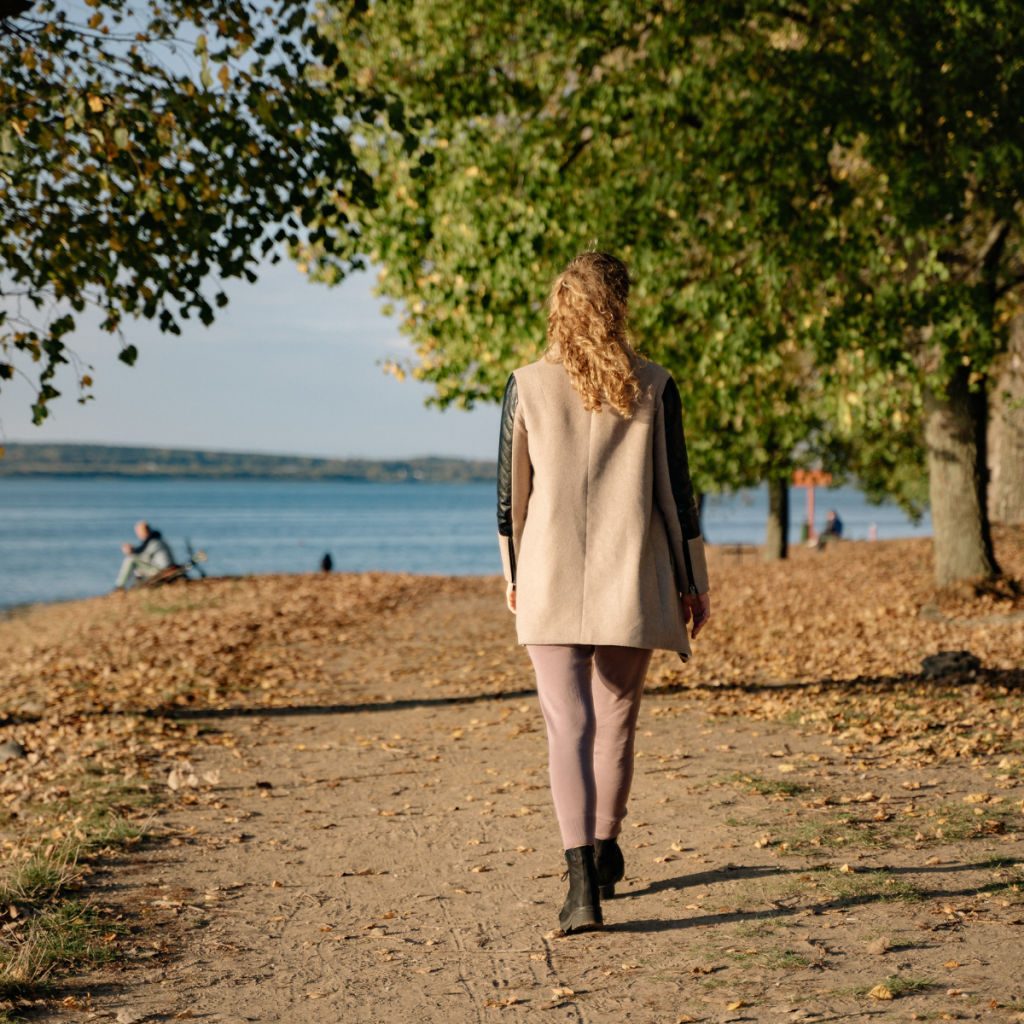
From your 40s onward, muscle mass can begin to drop if you don’t train it. Joints may feel stiffer too, especially after long days at a desk or time away from exercise. At the same time, reaction speed can slow a little, and your eyes may take longer to adjust when you turn fast or step into low light.
Your body also relies on something called proprioception. This is your internal sense of where you are in space. It helps you place a foot without staring at it. It helps you catch yourself when you trip. When that sense gets a bit dull, everyday movement can feel less clean.
That’s why balance issues often show up as ordinary moments. You misjudge a step. You wobble when turning quickly. You feel awkward on gravel, grass, or a sloped footpath.
Desk work, old injuries, and busy routines quietly make balance worse
Modern life doesn’t help. Long hours sitting switch off the exact muscles that help you stay upright and absorb force well. Add phone posture, rushed mornings, poor sleep, and less time for training, and your body starts working with fewer options.
Old injuries matter as well. A past ankle sprain, sore hip, stiff neck, or cranky low back can change how you move, even years later. Often, you won’t stop moving. You’ll just move around the problem. Over time, that can make balance less automatic.
Many middle-aged adults aren’t inactive. They’re just under-moved in the ways balance needs. They walk forward, sit, drive, and repeat. What’s missing is rotation, single-leg control, foot strength, and the small stabilising work that keeps you steady.
Balance is a skill you can train, just like strength or fitness
The good news is simple, balance responds well to practice. Your brain and body learn from repetition. When you train steadiness on purpose, you get better at it.
Good balance depends on a mix of strength, mobility, focus, and control
Balance is not just standing on one leg and hoping for the best. It depends on a group effort across the whole body. Your legs need enough strength to support you. Your feet and ankles need to sense the ground. Your hips need room to move. Your core has to support the trunk so the rest of you can react well.
Posture matters too, but not in a stiff, chest-out way. Good balance comes from stacking your body well, shifting weight smoothly, and adjusting quickly when something changes. Breathing helps more than people think, because a tense body reacts slowly.
A useful way to picture it is this, balance is like a live conversation between your eyes, inner ear, muscles, joints, and brain. When one part gets noisy, the rest have to work harder.
Why Pilates works so well for balance training in midlife
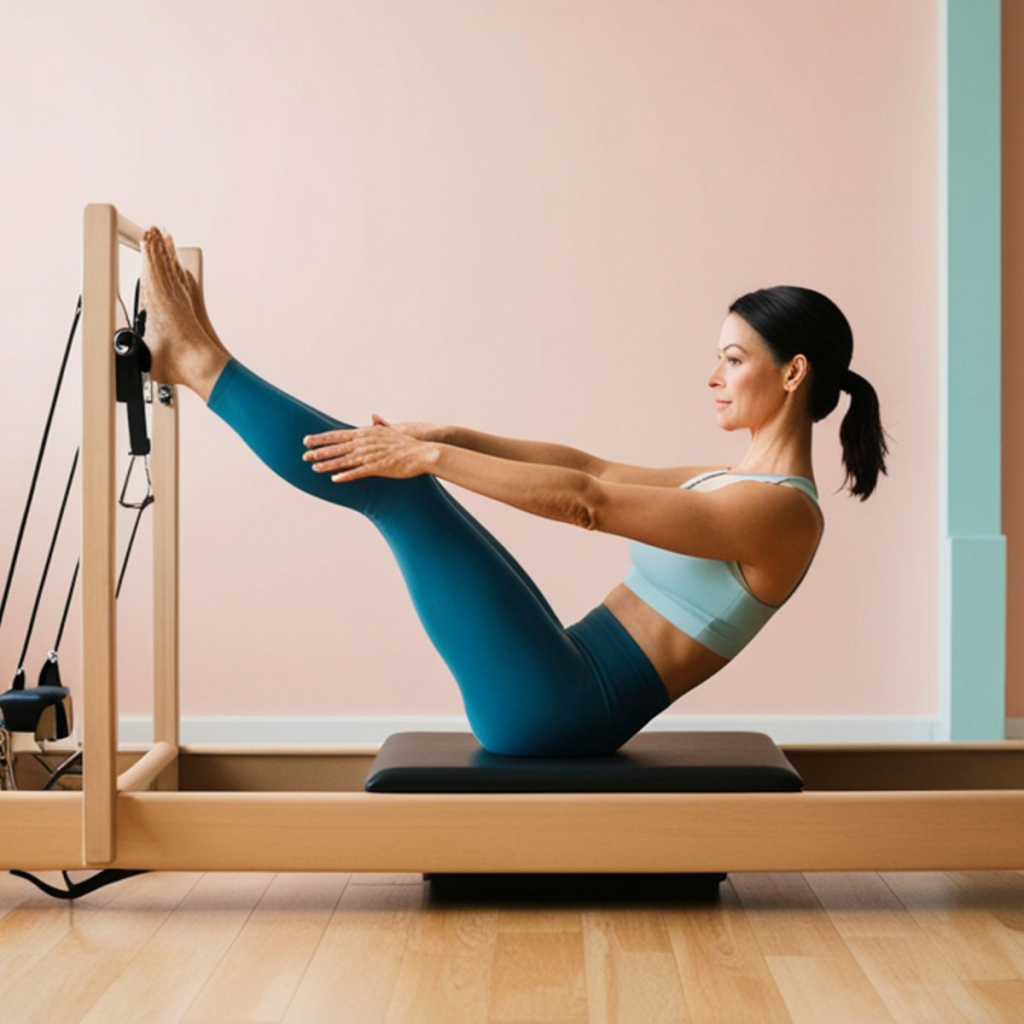
Pilates suits midlife balance work because it trains control, not just effort. You’re not thrown into random high-impact drills. Instead, movements build step by step, with attention to alignment, coordination, and how your body moves as a whole.
That’s why a well-run studio can feel less like a fitness fad and more like a balance clinic for people in their 40s and 50s. Here at Brighton Spine & Sports Clinic, the Clinical Pilates studio in Brighton focuses on guided exercise that helps improve posture, core support, movement quality, and confidence.
For some people, Pilates starts as rehab. For others, it becomes the missing link between pain relief and moving well again. Either way, it can challenge strength, mobility, and body awareness in a smart, supervised setting.
Simple signs your balance needs attention, and what to do next
You don’t need to wait for a serious fall to act. Early signs are often subtle, but they’re worth noticing.
Everyday clues that your balance is not as strong as it used to be
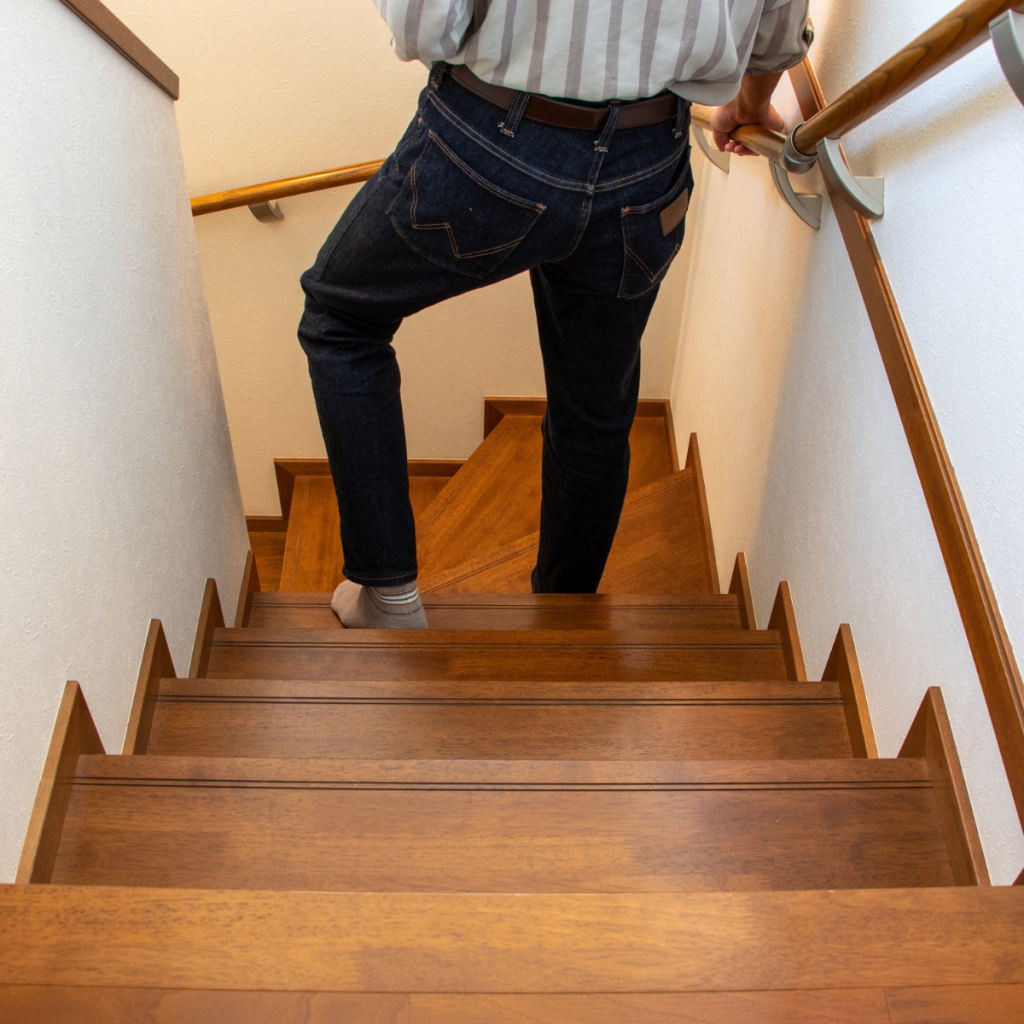
A weaker balance system can show up in plain, everyday ways, such as:
- feeling shaky when putting on pants while standing
- using walls, benches, or furniture more often
- avoiding uneven paths, ladders, or quick turns
- taking longer to recover after a trip or misstep
- feeling less sure of yourself in crowds or while carrying bags
These are prompts, not reasons to panic. Still, they do tell you something useful. Your system may need more strength, better control, or a clearer movement strategy.
Start with a simple plan that builds steadiness before a fall happens
Start with an assessment, especially if you’ve had old injuries, frequent stumbles, or a growing sense of being off-balance. Then build from there. In most cases, the basics work well:
- Build lower-body and core strength.
- Practise single-leg control and weight shifting.
- Improve ankle, hip, and thoracic mobility.
- Train often enough that your body keeps the skill.
If you want support, Brighton Spine & Sports Clinic offers a Balance and Falls Prevention Program that looks at why you feel unsteady and what to train next. The earlier you start, the more room you have to improve.
Balance is not a gift some people keep and others lose. It’s a skill. And like any skill, it gets better when you practise it.
In short, waiting until after a fall misses the best window to change things. Your 40s are a smart time to build strength, control, and confidence while the dips are still small. Fall prevention starts early because good balance supports how you work, move, and live. If you’ve noticed small wobbles creeping in, getting your balance checked now can pay off for years.
It is important to note that the specific interventions and strategies employed by any medical practitioner will depend on the individual’s unique needs. Each practitioner in a care team will work collaboratively with each other to provide comprehensive care and support for the individual.
If there is a part of your condition or injury that you are struggling to understand, be sure to seek clarification with your medical professional. None of the information in this article is a replacement for proper medical advice. Always seek advice from your trusted medical professional regarding your health and/or medical conditions.